Why we're talking about this
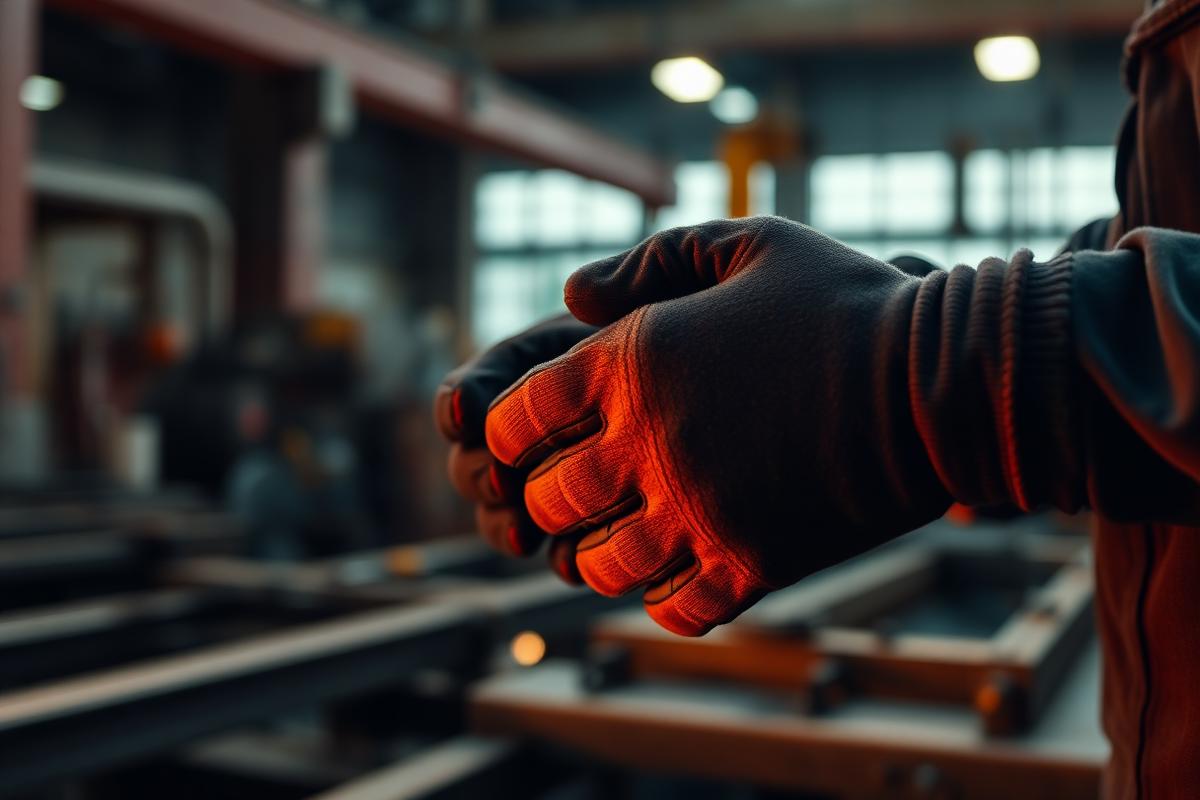
Hands are involved in almost everything we do on a jobsite, and they're the second most-injured body part behind the back. Lacerations, crush injuries, and chemical burns are almost always preventable — the gap is usually the wrong glove for the job, or a glove that came off "just for a second."
The three questions before you pick a glove
- What can cut, puncture, or pinch me? Sheet metal, blades, and rebar call for ANSI/ISEA 105 cut-rated gloves (A4 and up for heavy metal work).
- What can soak through? Solvents, fuels, and concrete need chemical-resistant nitrile or neoprene — leather soaks liquids up and holds them against your skin.
- Do I need to feel what I'm doing? Fine work needs a thin, dipped glove. A thick leather driver on a small fastener job leads to slipped tools and removed gloves.
Field rules
- Inspect gloves at the start of every shift. Holes, thinning palms, and stiff cuffs mean they're done.
- Never wear gloves around rotating equipment — drill presses, lathes, and grinders can pull a glove and your hand in.
- Keep a spare pair in the truck. The most common reason gloves come off is that they got wet or torn and there was no replacement.
- If you have to take gloves off for a task, that's a signal to stop and find the glove that lets you keep them on.
Wrap-up
The right glove is the one you'll keep on. If your crew is fighting their gloves, tell your supervisor — there is almost always a better option for that task.