Built to Work. Priced to Move. Explore Firebrand Essentials

Fall Protection: Harnesses, Lanyards and Anchors

Fall protection is bought as a system, not as parts. Anchorage, body support and connector have to work together — and the clearance math has to be done before anyone ties off.

A compliant personal fall arrest system needs three things: an anchorage rated for the load, a full-body harness, and a connector (shock-absorbing lanyard or self-retracting lifeline) sized to the available fall clearance.

The ABC of fall arrest

Anchorage, Body support, Connector.

  • Anchorage: 5,000 lb per attached worker, or a system designed by a qualified person with a 2:1 safety factor
  • Body support: a full-body harness — body belts are not permitted for fall arrest
  • Connector: shock-absorbing lanyard or self-retracting lifeline (SRL) matched to the fall distance
Lanyard or SRL — clearance decides

A 6 ft shock-absorbing lanyard can need roughly 18.5 ft of clearance below the walking surface once free fall, deceleration distance, harness stretch, worker height and a safety margin are added. A leading-edge SRL arrests in a much shorter distance, which is why SRLs are the usual answer for lower steel, scissor lifts and decking.

Harness fit and features

Choose by attachment points and how the harness is worn all day: dorsal D-ring for fall arrest, side D-rings for positioning, front D-ring for ladder climbing and rescue. Tongue-buckle legs are cheaper; quick-connect saves real time on crews that gear up and down repeatedly.

Inspection and retirement

The user inspects before every use, and a competent person inspects at least annually per ANSI/ASSP Z359. Any harness, lanyard or SRL that has arrested a fall is removed from service permanently.

Kitting for crews

Most crews are better served by a pre-built kit — harness, connector, anchor and bag issued together with the worker's name on it. Our kit builder assembles fall protection kits by trade and keeps the list saved for reorders.

Fall protection in stock

See all 292 options
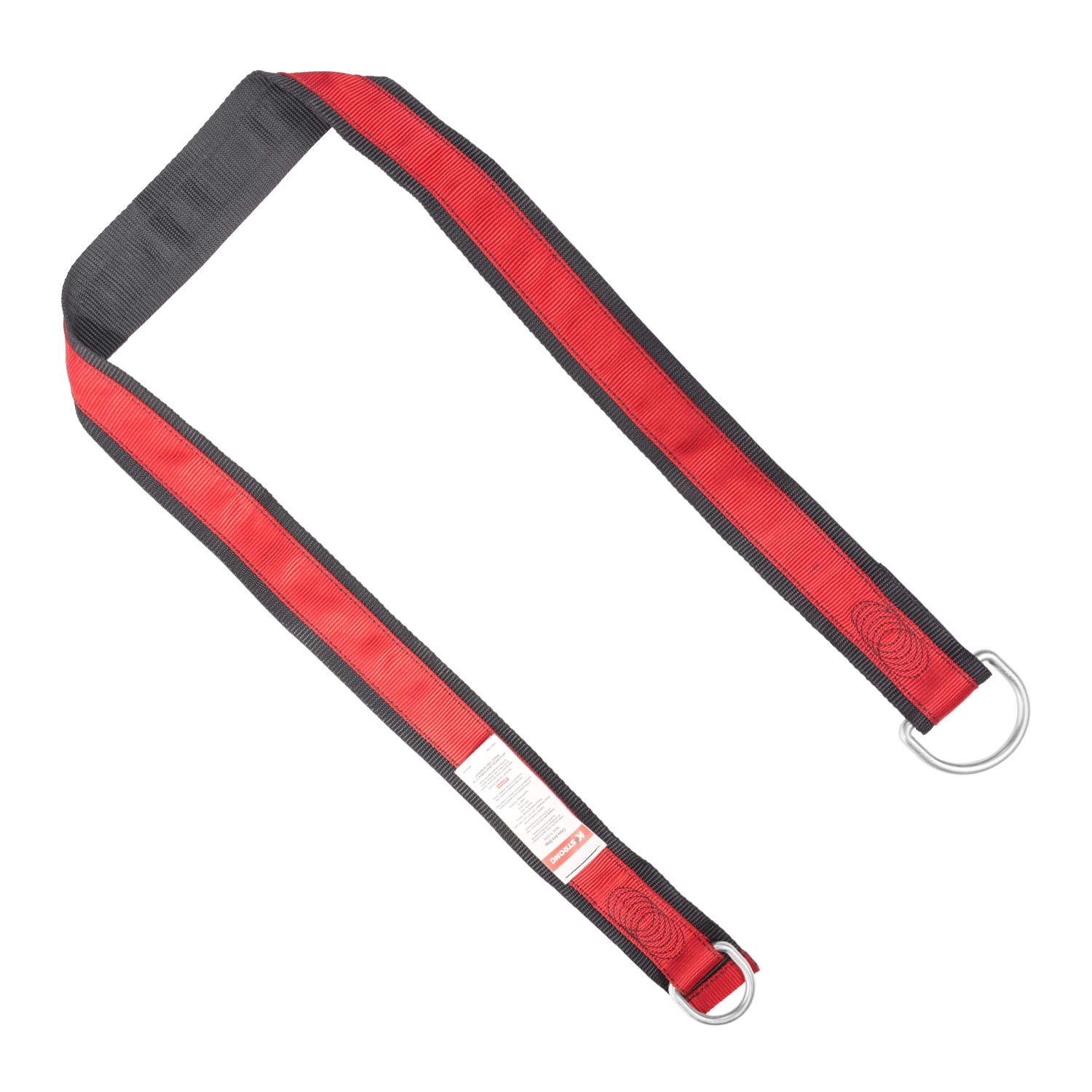
KStrong 10′ Choker Style Anchor Strap with Wear Pad

KStrong

10′ Choker Style Anchor Strap with Wear Pad

$35.09 USD / ea

Sold individually · 10 per case · 1 SKU

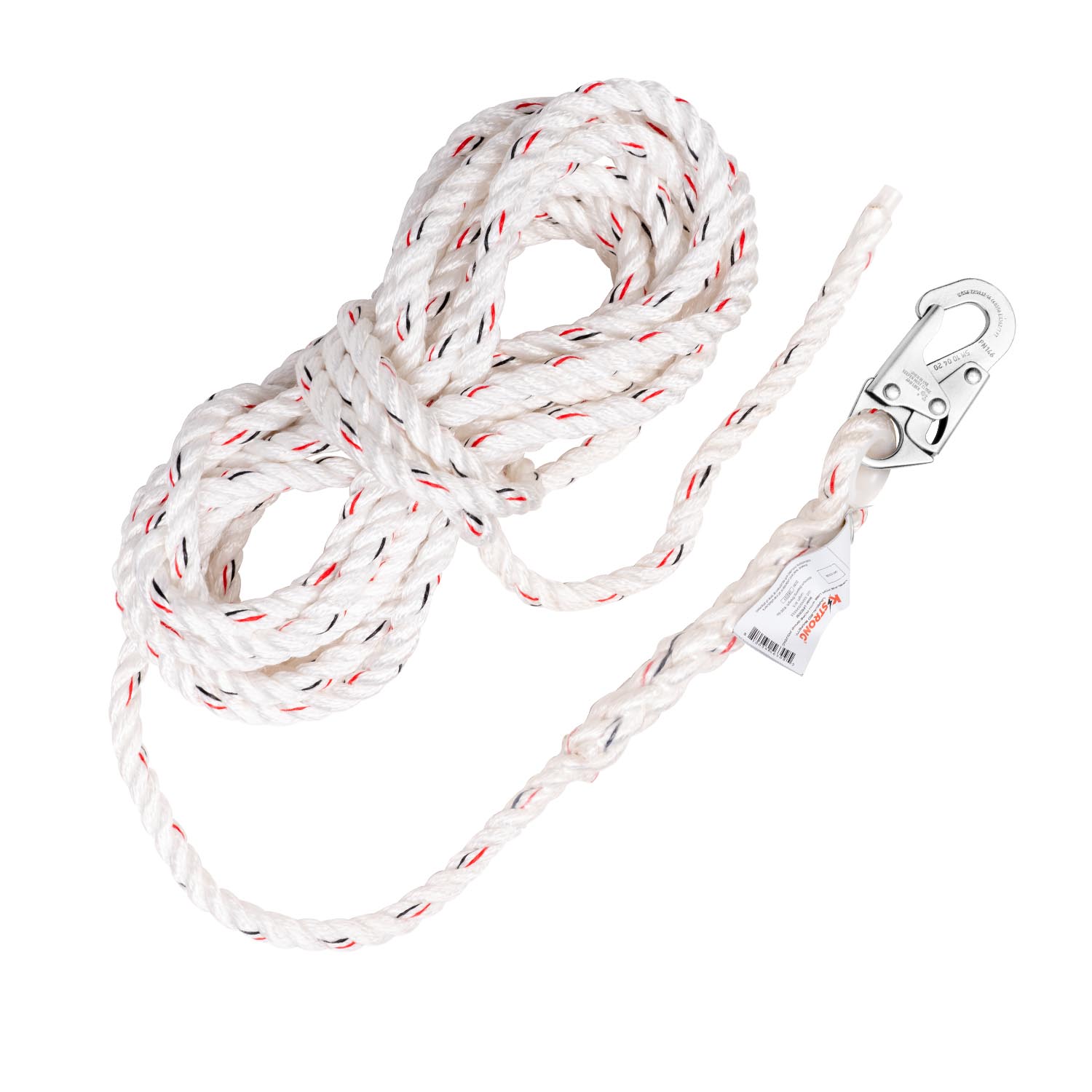
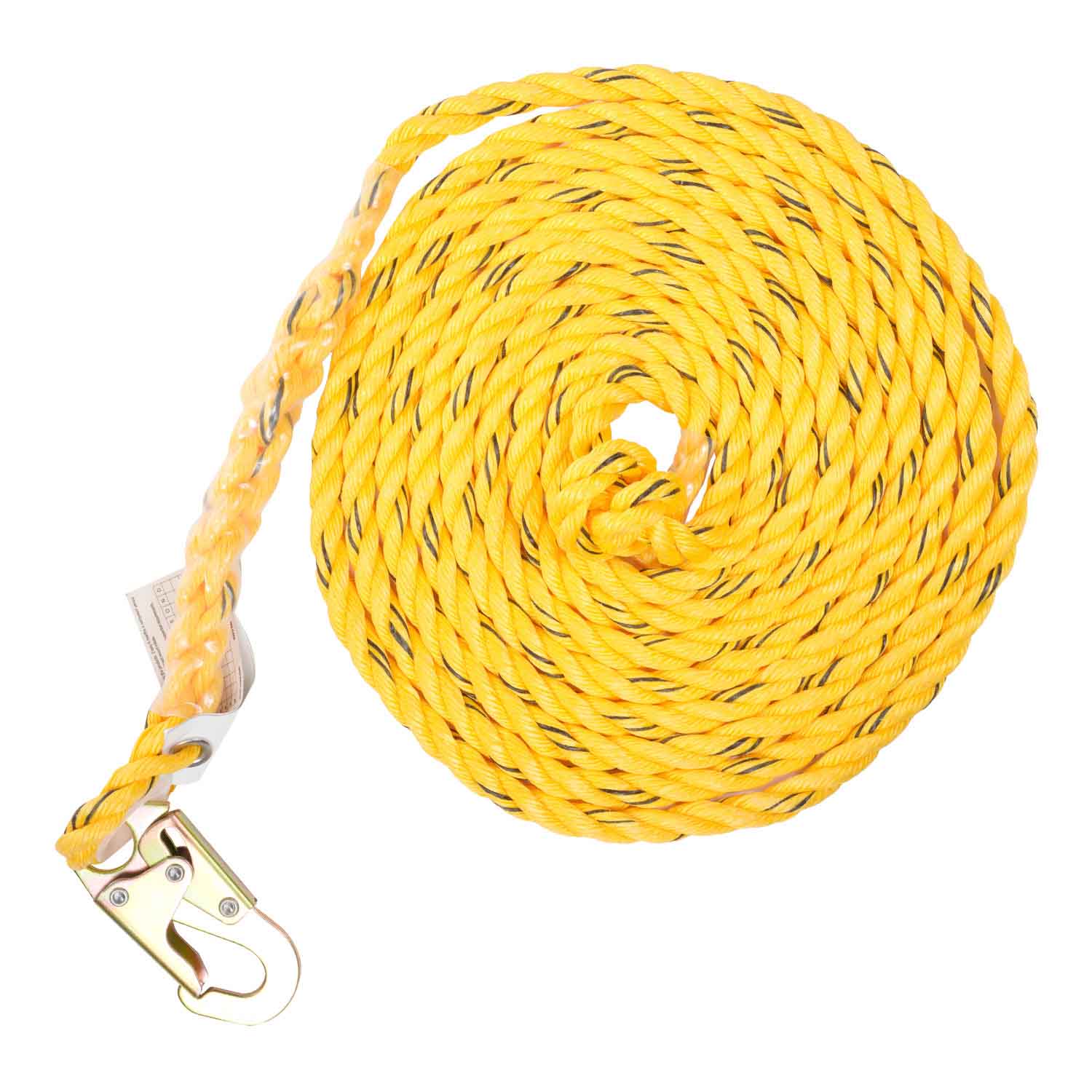
KStrong 100 ft. Vertical Rope Lifeline, Locking Snap hook on anchor end, other end cut and taped

KStrong

100 ft. Vertical Rope Lifeline, Locking Snap hook on anchor end, other end cut and taped

$115.99 USD / ea

Sold individually · 2 per case · 1 SKU

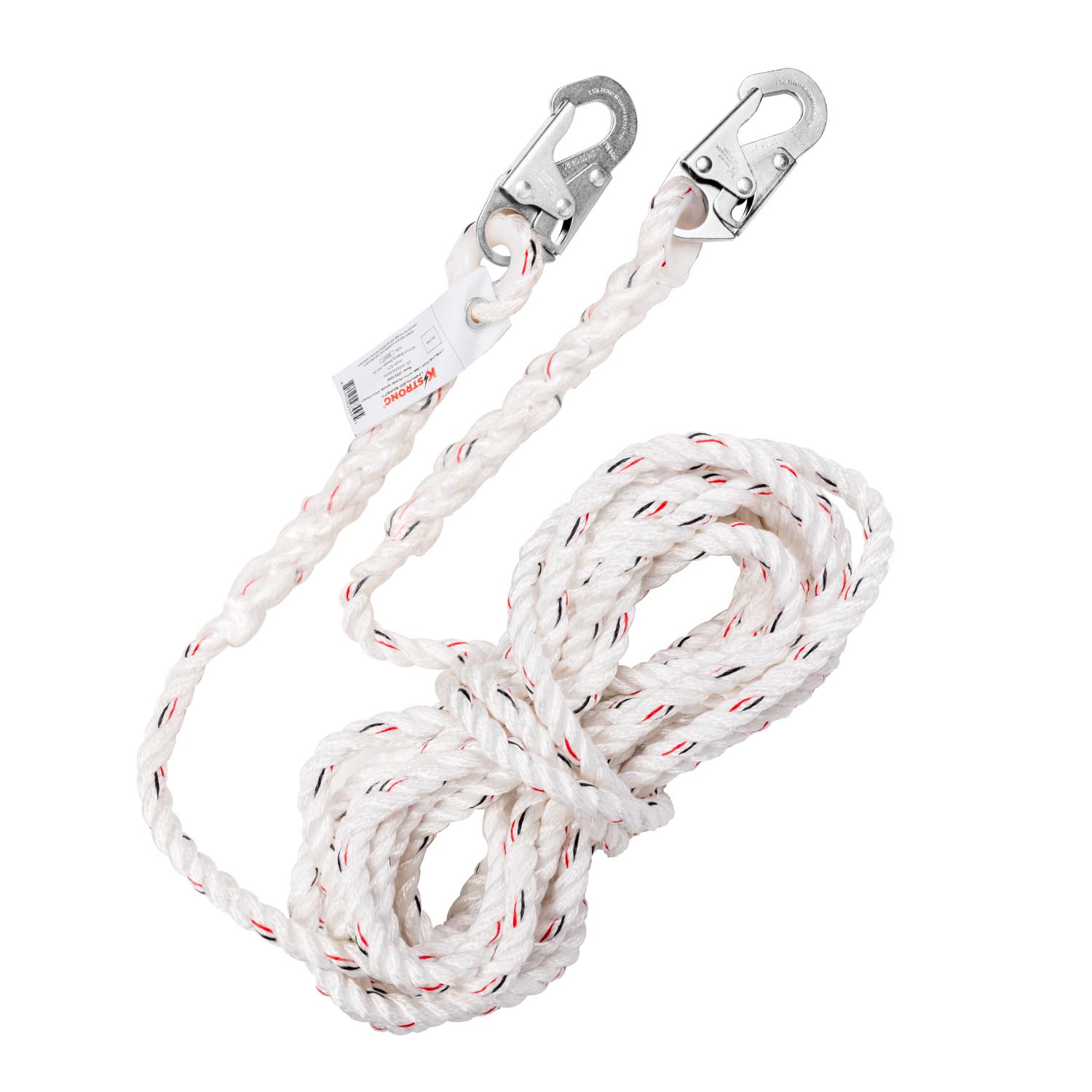
KStrong 100 ft. Vertical White Polydac Rope Lifeline with Snap Hooks at Both Ends

KStrong

100 ft. Vertical White Polydac Rope Lifeline with Snap Hooks at Both Ends

$222.79 USD / ea

Sold individually · 1 SKU

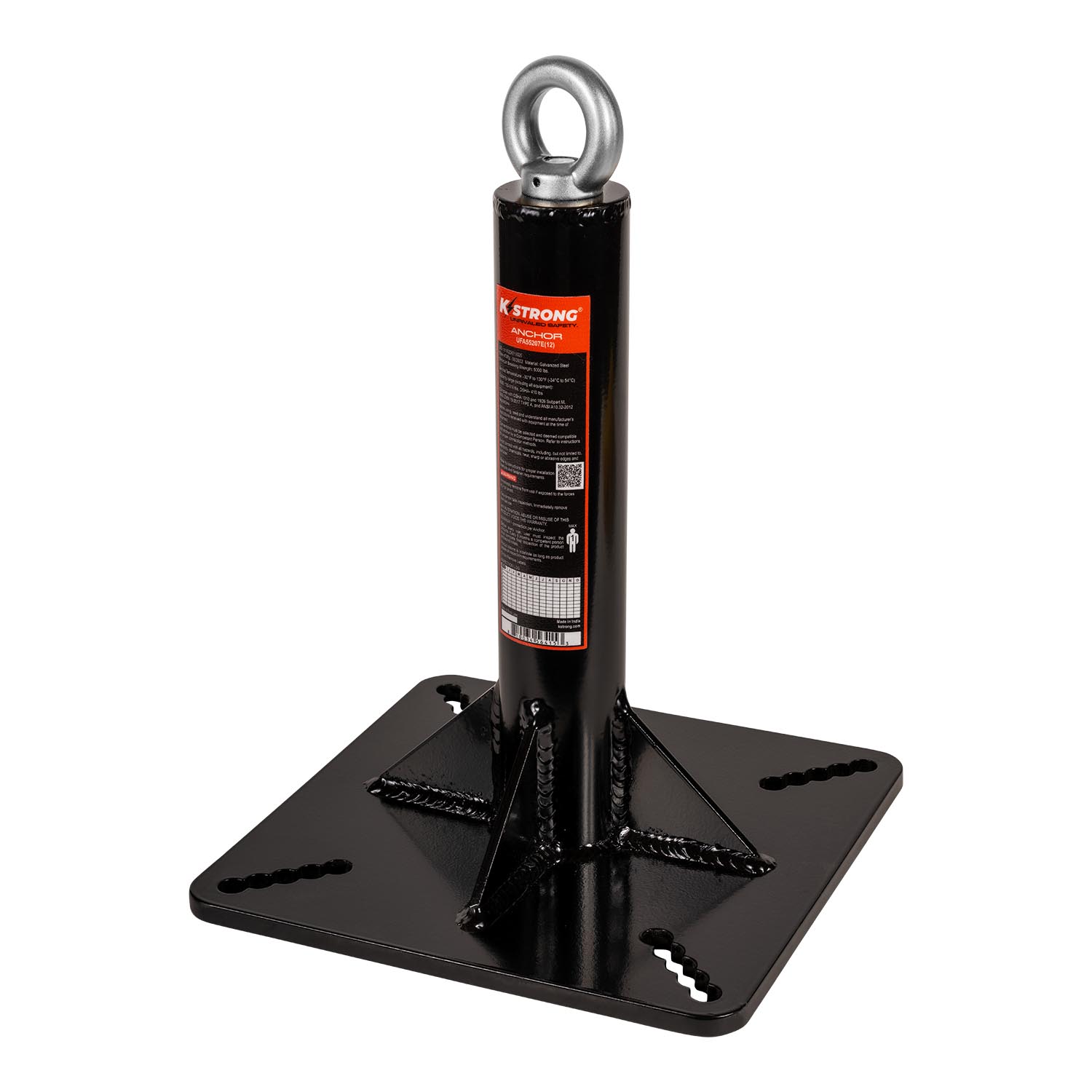
KStrong 12” End Post for Fixed Systems with Fixed Eye Bolt

KStrong

12” End Post for Fixed Systems with Fixed Eye Bolt

  • ANSI Z359

From $129.19 USD / ea

Sold individually · 2 SKUs

Choose options
KStrong 16′ Choker Style Anchor Strap with Wear Pad

KStrong

16′ Choker Style Anchor Strap with Wear Pad

$42.39 USD / ea

Sold individually · 10 per case · 1 SKU

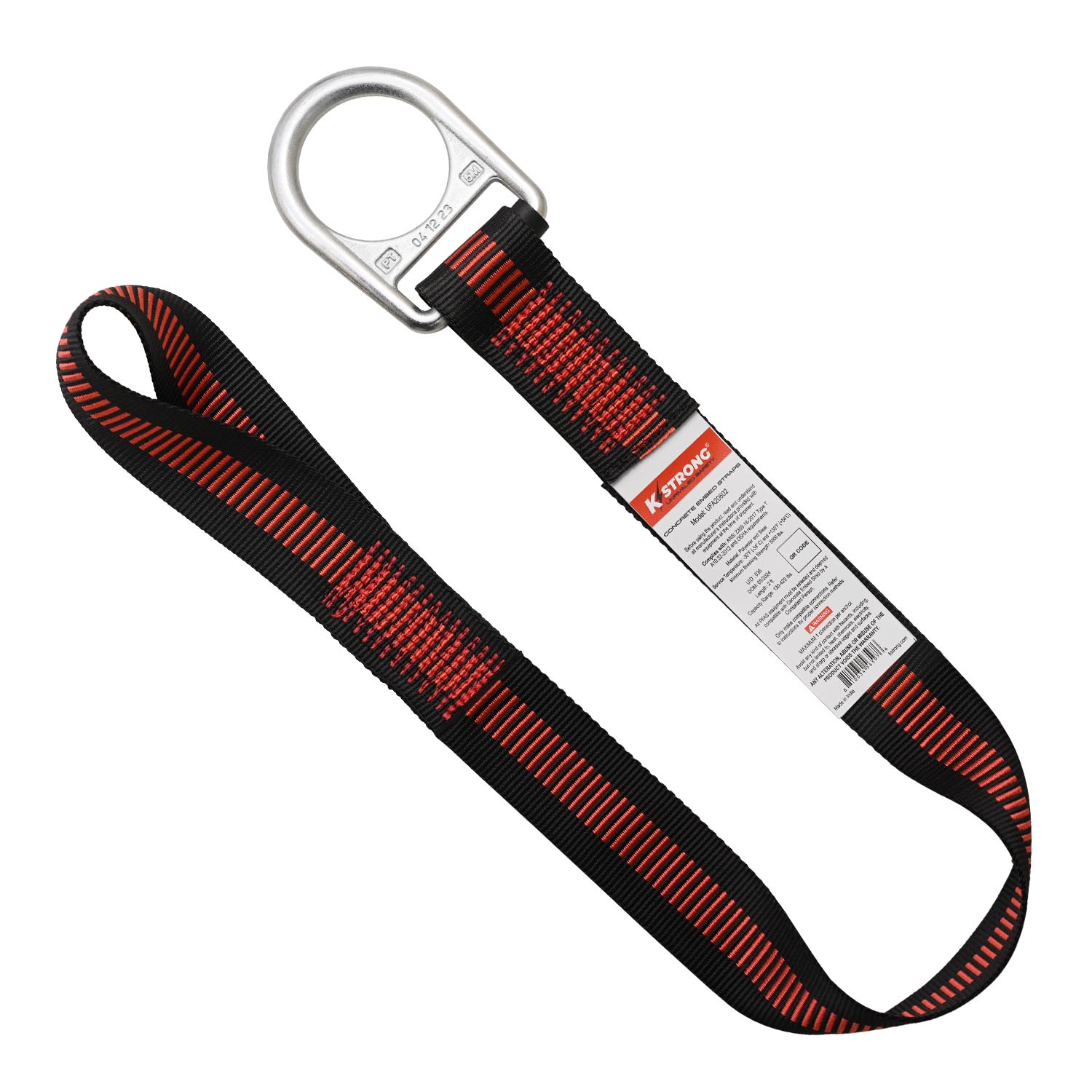
KStrong 2′ Choker Style Anchor Strap with Loop and D-ring

KStrong

2′ Choker Style Anchor Strap with Loop and D-ring

From $9.59 USD / ea

Sold individually · 25 per case · 2 SKUs

Choose options
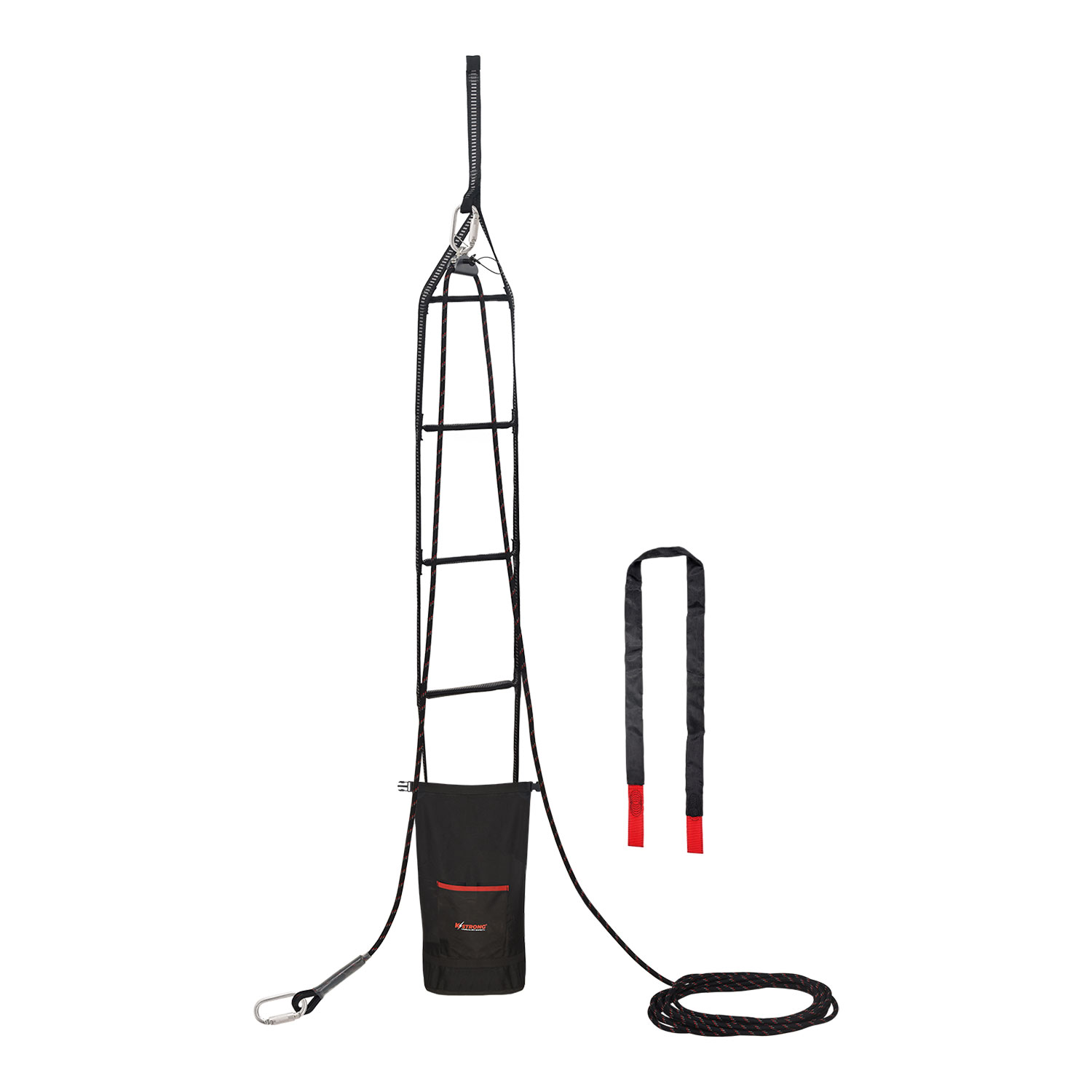
KStrong 20 ft. Rescue Ladder System

KStrong

20 ft. Rescue Ladder System

$456.79 USD / ea

Sold individually · 2 per case · 1 SKU

KStrong 200 ft. Vertical Rope Lifeline, Locking Snap hook on anchor end, other end cut and taped

KStrong

200 ft. Vertical Rope Lifeline, Locking Snap hook on anchor end, other end cut and taped

$245.59 USD / ea

Sold individually · 20 per case · 1 SKU

KStrong 200 ft. Vertical White Polydac Rope Lifeline with Snap Hooks at Both Ends

KStrong

200 ft. Vertical White Polydac Rope Lifeline with Snap Hooks at Both Ends

$395.79 USD / ea

Sold individually · 5 per case · 1 SKU

Common questions

How much clearance do I need for a 6-foot shock-absorbing lanyard?
Plan for roughly 18.5 feet below the walking surface: 6 ft free fall, up to 3.5 ft deceleration distance, harness stretch, the worker's height below the D-ring, and a safety margin. If you do not have that, use a self-retracting lifeline.
What must a fall protection anchor point be rated for?
OSHA requires anchorages for personal fall arrest to support at least 5,000 pounds per attached worker, or to be designed and used under the supervision of a qualified person with a safety factor of at least two.
How often does fall protection equipment need inspection?
The user inspects before each use, and a competent person performs a documented inspection at least annually under ANSI/ASSP Z359. Equipment that has arrested a fall is removed from service.