Why fit is a safety issue
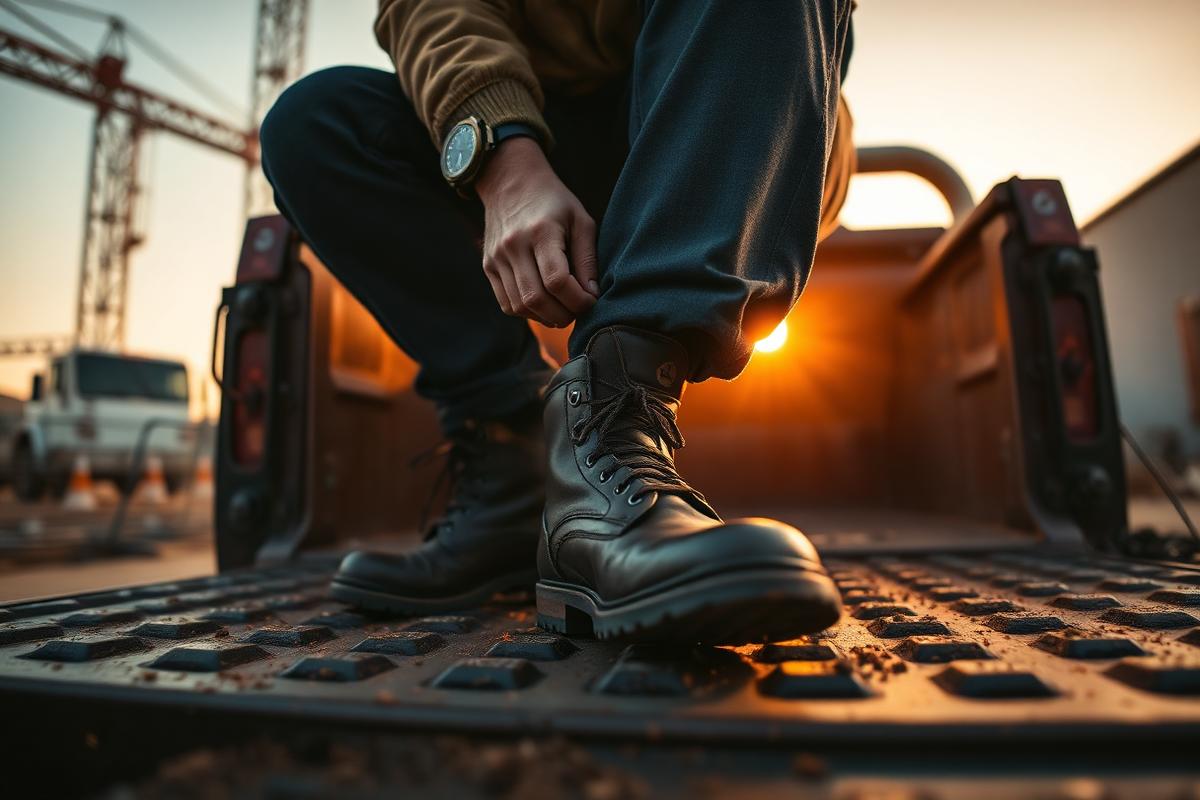
A poorly fitted boot doesn't just hurt — it changes how you walk. Workers in boots that are too big shuffle and trip; boots that are too small cause numbness and slower reaction time. By the end of a 10-hour shift, fatigue from bad footwear shows up as sloppy footing on ladders, uneven ground, and truck steps.
What the right boot does
- Protective toe (steel, composite, or alloy) rated to ASTM F2413 for impact and compression.
- Puncture-resistant plate if you work around nails, rebar, or scrap.
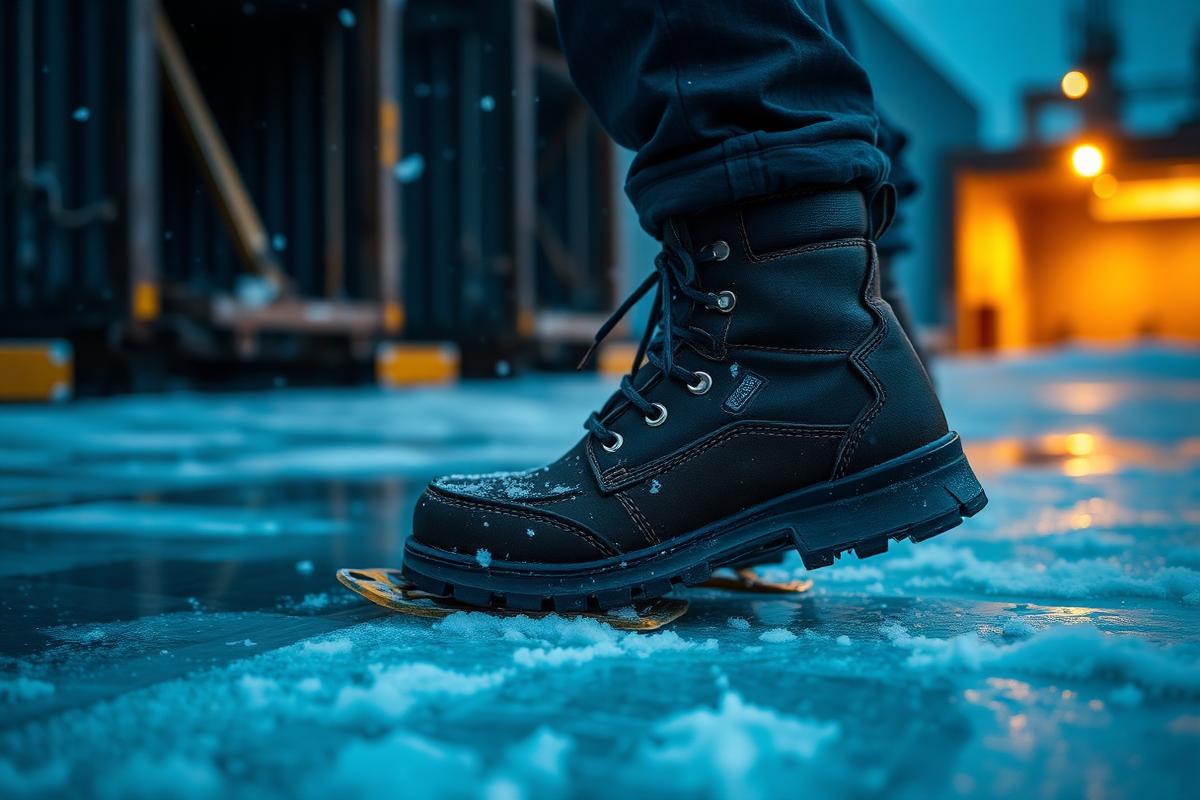
- Slip-resistant outsole matched to your surface — oily shop floors and wet concrete need different rubber compounds.
- EH (electrical hazard) rating if there's any chance of contact with live circuits.
- Metatarsal guard for heavy material handling and foundry work.
Getting the fit right
- Size at the end of the day when feet are largest, wearing the socks you'll actually work in.
- You should have a thumb's width in front of the longest toe with your heel seated.
- The widest part of your foot should sit at the widest part of the boot — not ahead of or behind it.
- Heel slip of more than a quarter inch means the boot is too long or the wrong last for your foot.
- Break-in should be measured in days, not weeks. If a boot still hurts after a week, it's the wrong boot.
Field rules
- Inspect boots weekly: separated soles, exposed toe caps, and worn tread all mean replacement.
- Boots that have taken a heavy impact on the toe cap should be replaced even if they look fine — the cap may be deformed.
- Never modify a boot (cutting, drilling for drainage) — it voids the rating.
Wrap-up
Firebrand's mobile boot program brings every major label to your site and sizes your crew on the spot. If your people are fighting their boots, that's a fix we can bring to you.